overfishing
overfishing
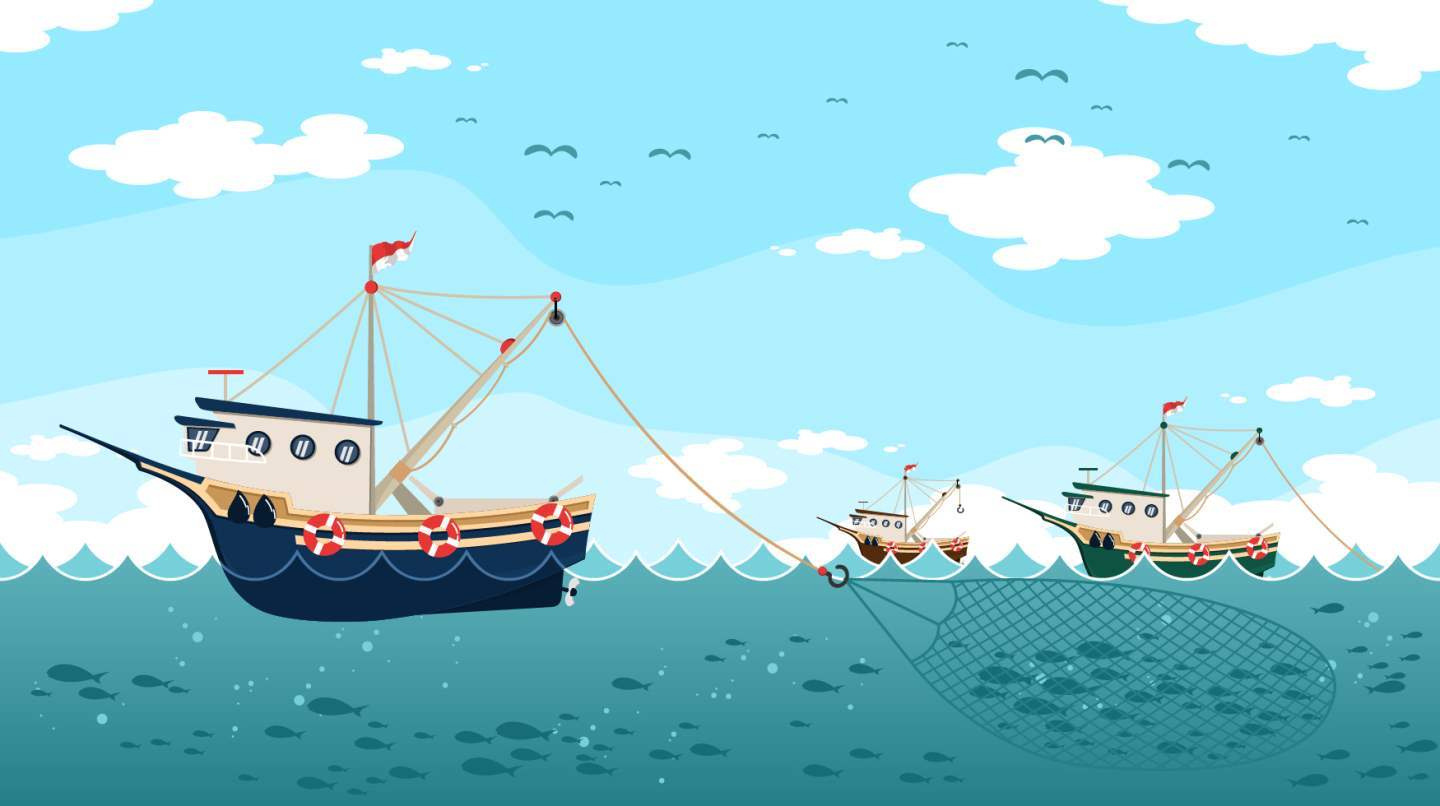
unsustainable practice of capturing excessively high rates fish from the sea which leads to depletion of fish stocks.
unsustainable practice of capturing excessively high rates fish from the sea which leads to depletion of fish stocks.
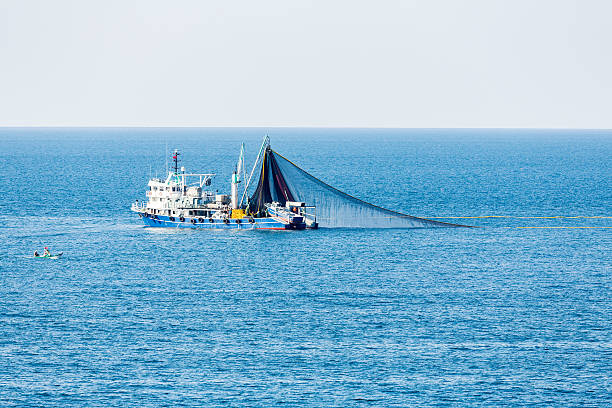
Overfishing is a critical environmental issue that arises when fish and other aquatic species are harvested from oceans, rivers, and other bodies of water at a rate that exceeds their natural reproduction and growth capabilities.
Overfishing is a critical environmental issue that arises when fish and other aquatic species are harvested from oceans, rivers, and other bodies of water at a rate that exceeds their natural reproduction and growth capabilities.
Baldwin, E. (2023). What is Overfishing? Causes, Effects, Facts, and Solutions. Ocean Info. https://oceaninfo.com/ocean/conservation/overfishing/
Baldwin, E. (2023). What is Overfishing? Causes, Effects, Facts, and Solutions. Ocean Info. https://oceaninfo.com/ocean/conservation/overfishing/

About 70% of Philippine fishing grounds are currently overfished. If this continues, future generations won’t have fish to eat. Limiting our catch is one way to preserve marine biodiversity and to save the livelihood of almost two million Filipino fisherfolk.
About 70% of Philippine fishing grounds are currently overfished. If this continues, future generations won’t have fish to eat. Limiting our catch is one way to preserve marine biodiversity and to save the livelihood of almost two million Filipino fisherfolk.

Overfishing will continue and will cause fishless oceans by 2048 if humans keep at fishing at the current pace.
Overfishing will continue and will cause fishless oceans by 2048 if humans keep at fishing at the current pace.
overfishing and the environmental and societal impact on the world - Bing video. (n.d.). https://www.bing.com/videos/riverview/relatedvideo?&q=overfishing+and+the+environmental+and+societal+impact+on+the+world&&mid=8AEE0F4D7A375871ABBF8AEE0F4D7A375871ABBF&&FORM=VRDGAR
overfishing and the environmental and societal impact on the world - Bing video. (n.d.). https://www.bing.com/videos/riverview/relatedvideo?&q=overfishing+and+the+environmental+and+societal+impact+on+the+world&&mid=8AEE0F4D7A375871ABBF8AEE0F4D7A375871ABBF&&FORM=VRDGAR
OCEAN2012EU. (2012, May 21). Ending overfishing [Video]. YouTube. https://www.youtube.com/watch?v=F6nwZUkBeas
OCEAN2012EU. (2012, May 21). Ending overfishing [Video]. YouTube. https://www.youtube.com/watch?v=F6nwZUkBeas
tedtalk about overfishing - Bing video. (n.d.). https://www.bing.com/videos/riverview/relatedvideo?&q=tedtalk+about+overfishing&&mid=D382B8094E35D3E6D1B6D382B8094E35D3E6D1B6&&FORM=VRDGAR
tedtalk about overfishing - Bing video. (n.d.). https://www.bing.com/videos/riverview/relatedvideo?&q=tedtalk+about+overfishing&&mid=D382B8094E35D3E6D1B6D382B8094E35D3E6D1B6&&FORM=VRDGAR
tedtalk about overfishing - Bing video. (n.d.). https://www.bing.com/videos/riverview/relatedvideo?&q=tedtalk+about+overfishing&&mid=D382B8094E35D3E6D1B6D382B8094E35D3E6D1B6&&FORM=VRDGAR
tedtalk about overfishing - Bing video. (n.d.). https://www.bing.com/videos/riverview/relatedvideo?&q=tedtalk+about+overfishing&&mid=D382B8094E35D3E6D1B6D382B8094E35D3E6D1B6&&FORM=VRDGAR
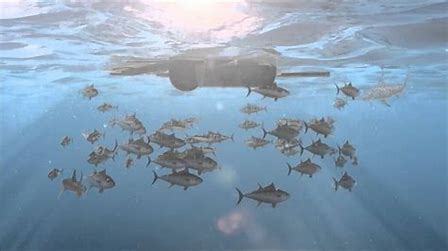
Overfishing leads to degraded ecosystems, decreased food security, and declining wildlife. It disrupts the food chain, causing species to overpopulate, threatening other marine life, and bycatch occurs unintentionally.
Overfishing leads to degraded ecosystems, decreased food security, and declining wildlife. It disrupts the food chain, causing species to overpopulate, threatening other marine life, and bycatch occurs unintentionally.
Jdk. (2020, October 23). Overfishing and the environmental and societal impact on the world – Passion blog. https://sites.psu.edu/jonathankelsopassionblog/2020/10/23/overfishing-and-the-environmental-and-societal-impact-on-the-world/
Jdk. (2020, October 23). Overfishing and the environmental and societal impact on the world – Passion blog. https://sites.psu.edu/jonathankelsopassionblog/2020/10/23/overfishing-and-the-environmental-and-societal-impact-on-the-world/

- Overfishing has significantly impacted marine life and ecosystems, with global fish and seafood production quadrupling over the past 50 years. The average person now consumes twice as much seafood, and overexploited fish stocks have doubled since the 1980s.
- Aquaculture production has surged 50-fold since 1960, causing 80% of the world's fisheries to be over-exploited, depleted, or collapsed, with 90% of predatory fish stocks gone and overfishing causing 70% of shark populations to disappear.
- Overfishing has significantly impacted marine life and ecosystems, with global fish and seafood production quadrupling over the past 50 years. The average person now consumes twice as much seafood, and overexploited fish stocks have doubled since the 1980s.
- Aquaculture production has surged 50-fold since 1960, causing 80% of the world's fisheries to be over-exploited, depleted, or collapsed, with 90% of predatory fish stocks gone and overfishing causing 70% of shark populations to disappear.
Jdk. (2020, October 23). Overfishing and the environmental and societal impact on the world – Passion blog. https://sites.psu.edu/jonathankelsopassionblog/2020/10/23/overfishing-and-the-environmental-and-societal-impact-on-the-world/
Jdk. (2020, October 23). Overfishing and the environmental and societal impact on the world – Passion blog. https://sites.psu.edu/jonathankelsopassionblog/2020/10/23/overfishing-and-the-environmental-and-societal-impact-on-the-world/
our oceans
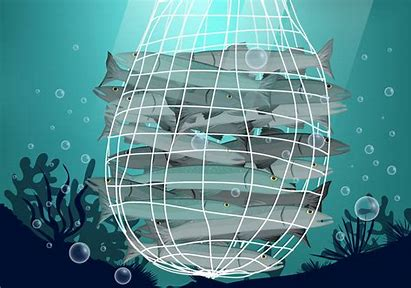
save
overfishing
stop
United Nations Development Programme (UNDP). (2017, June 30). Overfishing [Video]. YouTube. https://www.youtube.com/watch?v=yfk07yhH9Mg
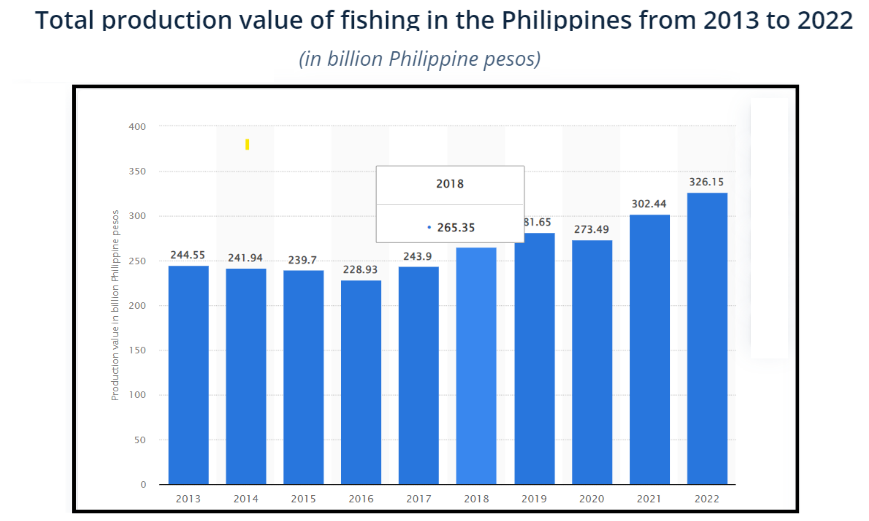
https://www.statista.com/statistics/1035130/production-value-fishing-philippines/
United Nations Development Programme (UNDP). (2017, June 30). Overfishing [Video]. YouTube. https://www.youtube.com/watch?v=yfk07yhH9Mg
https://www.statista.com/statistics/1035130/production-value-fishing-philippines/
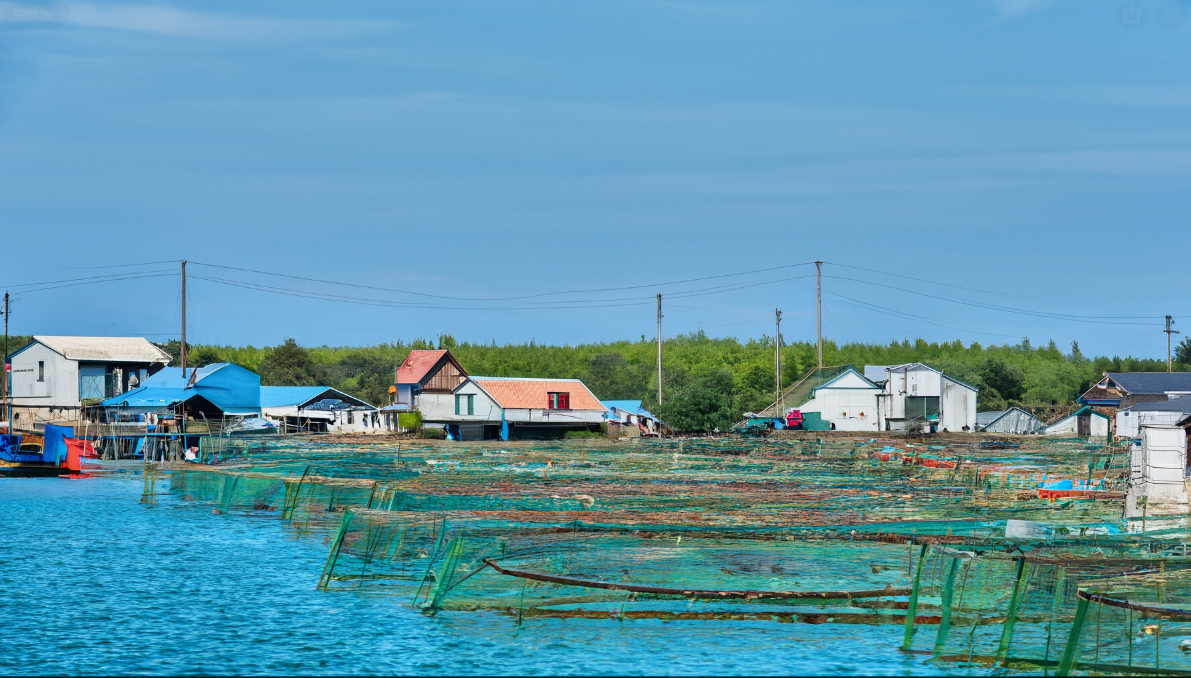
Tips for sustainable seafood consumption:
- Look for the MSC blue label.
- Avoid endangered or overfished fish using the Seafood Watch guide.
- Reduce seafood consumption.
- Support sustainable fisheries management policies by contacting elected officials.
Tips for sustainable seafood consumption:
- Look for the MSC blue label.
- Avoid endangered or overfished fish using the Seafood Watch guide.
- Reduce seafood consumption.
- Support sustainable fisheries management policies by contacting elected officials.
Challenges and opportunities for a sustainable seafood movement in the Philippines. (2021, March 16). Manila Bulletin. https://mb.com.ph/2021/03/16/challenges-and-opportunities-for-a-sustainable-seafood-movement-in-the-philippines/
Challenges and opportunities for a sustainable seafood movement in the Philippines. (2021, March 16). Manila Bulletin. https://mb.com.ph/2021/03/16/challenges-and-opportunities-for-a-sustainable-seafood-movement-in-the-philippines/





Stop overfishing
Before i’ts too late.

Don’t wait for the time that we have to diversify because of overfishing
Don’t wait for the time that we have to diversify because of overfishing
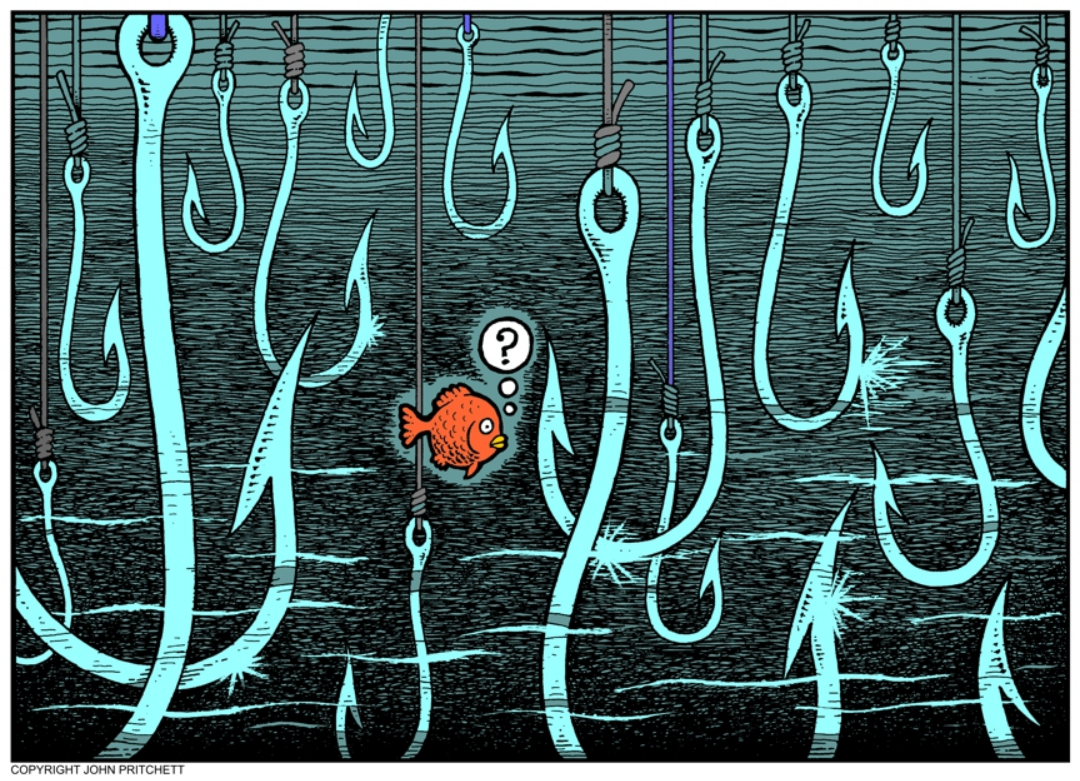
Copyright John Pritchett
Copyright John Pritchett
https://www.pritchettcartoons.com/hooks_c.htm
https://www.pritchettcartoons.com/hooks_c.htm
Existing Solutions
Existing Solutions
Philippine Fisheries Code of 1998 (Republic Act No. 8550).
An Act providing for the development, management, and conservation of fisheries and aquatic resources, integrating all laws pertinent thereto, and for other purposes.
The Code makes provision for the management and conservation of fisheries and aquaculture in the Philippines and the reconstitution or establishment of fisheries institutions both at the national and local level.
Philippine Fisheries Code of 1998 (Republic Act No. 8550).
An Act providing for the development, management, and conservation of fisheries and aquatic resources, integrating all laws pertinent thereto, and for other purposes.
The Code makes provision for the management and conservation of fisheries and aquaculture in the Philippines and the reconstitution or establishment of fisheries institutions both at the national and local level.
- Fisheries Management and Regulation
- Fisheries Management and Regulation
Current Status:
This is a widely used solution with varying degrees of success globally.
Procedure/Program:
Fisheries management authorities set catch limits, size restrictions, and fishing seasons.
Effect/Result:
Regulations have contributed to the recovery of some fish and the reduction of overfishing in certain regions.
Current Status:
This is a widely used solution with varying degrees of success globally.
Procedure/Program:
Fisheries management authorities set catch limits, size restrictions, and fishing seasons.
Effect/Result:
Regulations have contributed to the recovery of some fish and the reduction of overfishing in certain regions.
https://lawphil.net/statutes/repacts/ra1998/ra_8550_1998.html https://www.officialgazette.gov.ph/1998/02/25/republic-act-no-8550/\
https://lawphil.net/statutes/repacts/ra1998/ra_8550_1998.html https://www.officialgazette.gov.ph/1998/02/25/republic-act-no-8550/\

Fisheries management measures like catch quotas and closed seasons are widely practiced in many regions. However, inaccuracies can occur due to underreporting or misreporting. The Philippines' Republic Act No. 8550, also known as the "Philippine Fisheries Code of 1998," provides the legal basis for conservation and sustainable development of fisheries and aquatic resources. For updated information, consult the Bureau of Fisheries and Aquatic Resources.
Fisheries management measures like catch quotas and closed seasons are widely practiced in many regions. However, inaccuracies can occur due to underreporting or misreporting. The Philippines' Republic Act No. 8550, also known as the "Philippine Fisheries Code of 1998," provides the legal basis for conservation and sustainable development of fisheries and aquatic resources. For updated information, consult the Bureau of Fisheries and Aquatic Resources.

Existing Solutions
Existing Solutions
"SEC. 87. Engaging in Unauthorized Fisheries Activities. – It shall be unlawful for any person to exploit, occupy, produce, breed or culture fish, fry or fingerlings of any fishery species or fishery products or construct and operate fish corrals, fish traps, fish pens and fish cages or fishponds without a license, lease or permit.
"SEC. 87. Engaging in Unauthorized Fisheries Activities. – It shall be unlawful for any person to exploit, occupy, produce, breed or culture fish, fry or fingerlings of any fishery species or fishery products or construct and operate fish corrals, fish traps, fish pens and fish cages or fishponds without a license, lease or permit.
2. REDUCING OVERCAPACITY
2. REDUCING OVERCAPACITY
Current Status:
Efforts to address overcapacity are ongoing but face challenges.
Procedure/Program:
Measures include vessel buyback programs and limiting new fishing licenses.
Effect/Result:
Reducing overcapacity remains a challenge due to economic and political factors.
Current Status:
Efforts to address overcapacity are ongoing but face challenges.
Procedure/Program:
Measures include vessel buyback programs and limiting new fishing licenses.
Effect/Result:
Reducing overcapacity remains a challenge due to economic and political factors.
Republic Act No. 10654. (n.d.). https://republicact.com/widget/provision/202975#:~:text=%E2%80%93%20It%20shall%20be%20unlawful%20for%20any%20person%20to%20exploit%2C%20occupy,a%20license%2C%20lease%20or%20permit.
Republic Act No. 10654. (n.d.). https://republicact.com/widget/provision/202975#:~:text=%E2%80%93%20It%20shall%20be%20unlawful%20for%20any%20person%20to%20exploit%2C%20occupy,a%20license%2C%20lease%20or%20permit.
Reducing overcapacity in fisheries requires strategies, commitment from governments, the fishing industry, and international bodies. A sustainable balance between fishing capacity and resources is crucial for long-term fisheries and marine ecosystem health. As of January 2022, there is no specific Republic Act in the Philippines addressing overfishing. Regulations and laws can change over time, so consulting the Bureau of Fisheries and Aquatic Resources or seeking legal advice is recommended.
Reducing overcapacity in fisheries requires strategies, commitment from governments, the fishing industry, and international bodies. A sustainable balance between fishing capacity and resources is crucial for long-term fisheries and marine ecosystem health. As of January 2022, there is no specific Republic Act in the Philippines addressing overfishing. Regulations and laws can change over time, so consulting the Bureau of Fisheries and Aquatic Resources or seeking legal advice is recommended.
Existing Solutions
Existing Solutions
3. Marine Protected Areas (MPAs)
3. Marine Protected Areas (MPAs)
Current Status:
MPAs are established in many countries and international waters. Based on current UN estimates, there are more than 15,000 Marine Protected Areas (MPAs) in the world, comprising approximately 27 million square kilometers (almost 10.6 million square miles) – or nearly 7.5% of the ocean, an area the size of North America.
Procedure/Program:
MPAs restrict or prohibit fishing in designated areas to allow fish populations to recover.
Effect/Result:
MPAs have been effective in conserving marine biodiversity and rebuilding fish stocks in protected zones.
Current Status:
MPAs are established in many countries and international waters. Based on current UN estimates, there are more than 15,000 Marine Protected Areas (MPAs) in the world, comprising approximately 27 million square kilometers (almost 10.6 million square miles) – or nearly 7.5% of the ocean, an area the size of North America.
Procedure/Program:
MPAs restrict or prohibit fishing in designated areas to allow fish populations to recover.
Effect/Result:
MPAs have been effective in conserving marine biodiversity and rebuilding fish stocks in protected zones.
FAO.org : (n.d.). https://www.fao.org/faolex/results/details/es/c/LEX-FAOC016098/#:~:text=Filipinas%20(Nivel%20nacional)-,Philippine%20Fisheries%20Code%20of%201998%20(Republic%20Act%20No.,thereto%2C%20and%20for%20other%20purposes.
FAO.org : (n.d.). https://www.fao.org/faolex/results/details/es/c/LEX-FAOC016098/#:~:text=Filipinas%20(Nivel%20nacional)-,Philippine%20Fisheries%20Code%20of%201998%20(Republic%20Act%20No.,thereto%2C%20and%20for%20other%20purposes.
Marine Protected Areas (MPAs) are crucial for protecting fish populations and preserving ecosystems. The Philippines' National Integrated Protected Areas System (NIPAS) Act of 1992 governs MPAs, aiming to conserve natural resources and biodiversity. The Act designates specific areas, including marine and coastal zones, with varying degrees of protection to safeguard ecosystems and promote sustainable resource management. The NIPAS Act's boundaries and regulations can be established through executive orders, local ordinances, and other laws.
Marine Protected Areas (MPAs) are crucial for protecting fish populations and preserving ecosystems. The Philippines' National Integrated Protected Areas System (NIPAS) Act of 1992 governs MPAs, aiming to conserve natural resources and biodiversity. The Act designates specific areas, including marine and coastal zones, with varying degrees of protection to safeguard ecosystems and promote sustainable resource management. The NIPAS Act's boundaries and regulations can be established through executive orders, local ordinances, and other laws.

GOAL
- Share your knowledge with friends, family, and social networks to raise awareness and inspire others to make sustainable choices.
- Support initiatives that promote responsible and ethical fishing methods.
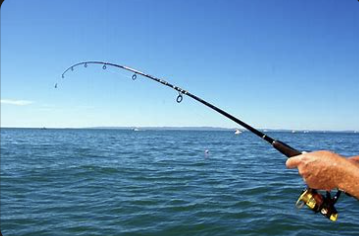


PRACTICE SUSTAINABLE FISHING

By adopting sustainable gear, we can ensure the preservation of fish populations, protect marine biodiversity, and maintain the health and resilience of our precious marine environments for future generations to enjoy.
Writer, P. C. (2023, June 2). A guide to sustainable fishing practices: How to fish responsibly. Eco Friend.

courses of action that can be taken to help preserve the oceans and prevent overfishing.